Smart devices enhance consumer experiences by using real-time data to speed decisions at the point of purchase. They enable consent-driven data sharing, transparent governance, and opt-in controls, fostering trust with minimal friction. Ecosystems connect home, health, and daily habits through secure interoperability, delivering contextual signals and scalable personalization. By embedding privacy-by-design, outcomes hinge on measurable, roadmap-driven safeguards and auditable metrics, shaping a user-centric path forward that invites ongoing evaluation and adjustment.
How Smart Devices Elevate Everyday Purchases
Smart devices streamline everyday purchases by integrating real-time data, personalized preferences, and seamless payment options, enabling quicker decisions and fewer friction points at the moment of purchase.
The approach emphasizes data governance and consent management, ensuring transparent data use.
A data-driven, user-centric roadmap highlights secure data streams, clear rights, and measurable outcomes, empowering freedom-seeking consumers with trustworthy, efficient transactions.
Personalization at Scale: From Data to Delight
The approach emphasizes data governance and personalization ethics to enable transparent, consent-based decisioning.
A roadmap-oriented view highlights scalable models, measurable outcomes, and user-centric controls, ensuring freedom to opt in, review, and refine preferences while sustaining trust and value.
Seamless Integration: Bridging Home, Health, and Habits
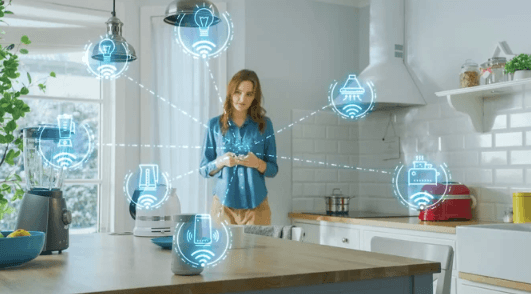
Seamless integration connects home environments, health systems, and daily habits through interoperable technologies that share context-rich signals while preserving user consent and control.
The approach documents interoperability milestones, enabling bridging home, health, and habits with standardized APIs and secure data flows.
It highlights personalization scale, actionable metrics, and user-centric roadmaps, ensuring freedom to tailor experiences while maintaining trust and measurable outcomes.
Trust, Privacy, and Value in a Connected Experience
How can a connected experience earn trust without compromising privacy or value? Data shows measurable improvements in user satisfaction when privacy safeguards are embedded by design, consent transparency is maintained, and value is quantified through clear outcomes. A roadmap-centric approach aligns governance with experience, emphasizing user control, auditable practices, and transparent metrics to support freedom without sacrificing security or usefulness.
Frequently Asked Questions
How Do Smart Devices Influence Impulse Buying Behavior?
Smart devices shape impulse buying by leveraging impulse triggers, nudging users with timely prompts, personalized recommendations, and seamless checkout, influencing purchase psychology. Data-driven, user-centric insights show a roadmap: optimize timing, relevance, and friction reduction for empowered, freedom-seeking shoppers.
What Are the Hidden Costs of Smart Home Ecosystems?
Coincidence reveals the hidden costs: ecosystems incur hidden fees and privacy tradeoffs. A data‑driven, user‑centric roadmap shows incremental maintenance, vendor lock, and migration friction, guiding consumers toward informed freedom while balancing cost transparency, security priorities, and long‑term adaptability.
See also: How Artificial Intelligence Is Supporting Smart Retail Platforms
How Secure Is Voice-Activated Shopping Data?
Voice-activated shopping data remains moderately secure; privacy controls and data minimization practices are essential. The roadmap emphasizes user-centric safeguards, clear consent, and ongoing audits, enabling freedom while reducing risk across devices, vendors, and cross-platform data sharing.
See also: How Artificial Intelligence Is Supporting Smart Retail Platforms
Can Smart Devices Learn Preferences Without Constant Data Sharing?
Guided by a compass, smart devices can weather requests to learn preferences with privacy controls and local learning, reducing data sharing. They deliver data-driven, user-centric insights on a roadmap, empowering freedom-seeking users while maintaining stewardship and transparency.
Do All Devices Work Reliably During Outages or Low Connectivity?
Devices vary; offline reliability improves with local processing and cached states, yet some functions depend on cloud services. Power resilience and robust fallback modes are essential for consistent performance, data integrity, and user freedom during outages or low connectivity.
Conclusion
Smart devices fuse data, consent, and context into a streamlined purchasing journey, where decisions feel anticipatory rather than intrusive. Across homes, health, and habits, personalization scales with privacy-by-design, turning signals into trustworthy actions. This roadmap-driven narrative shows value not as a shortcut, but as a measured ascent: measurable outcomes, auditable safeguards, and transparent governance guiding every interaction. In this ecosystem, user control is the compass, and delightful experiences become the predictable horizon users reach with confidence.